Cameras, sensors… and robots to fight cancer, monitor the seabed and help the visually impaired

Technology, automation and passion for everyday challenges
At Maker Faire Rome 2025, there will be space for technological innovation that uses Artificial Intelligence to develop solutions to improve our present. Roby, the robot created by Fabio Torrisi with 3D printing, cameras, sensors and… lots of cardboard, will also be featured at the Gazometro, as will the MAV d-IA-gnosis project by three girls from Novara. And then there is the Marconi Rov Explorer, created by a group of students from the Marconi Institute. Last but not least, there is the Agassante project, a combination of cutting-edge technology and strong personal motivation: to make autonomy a reality for those who need it most.
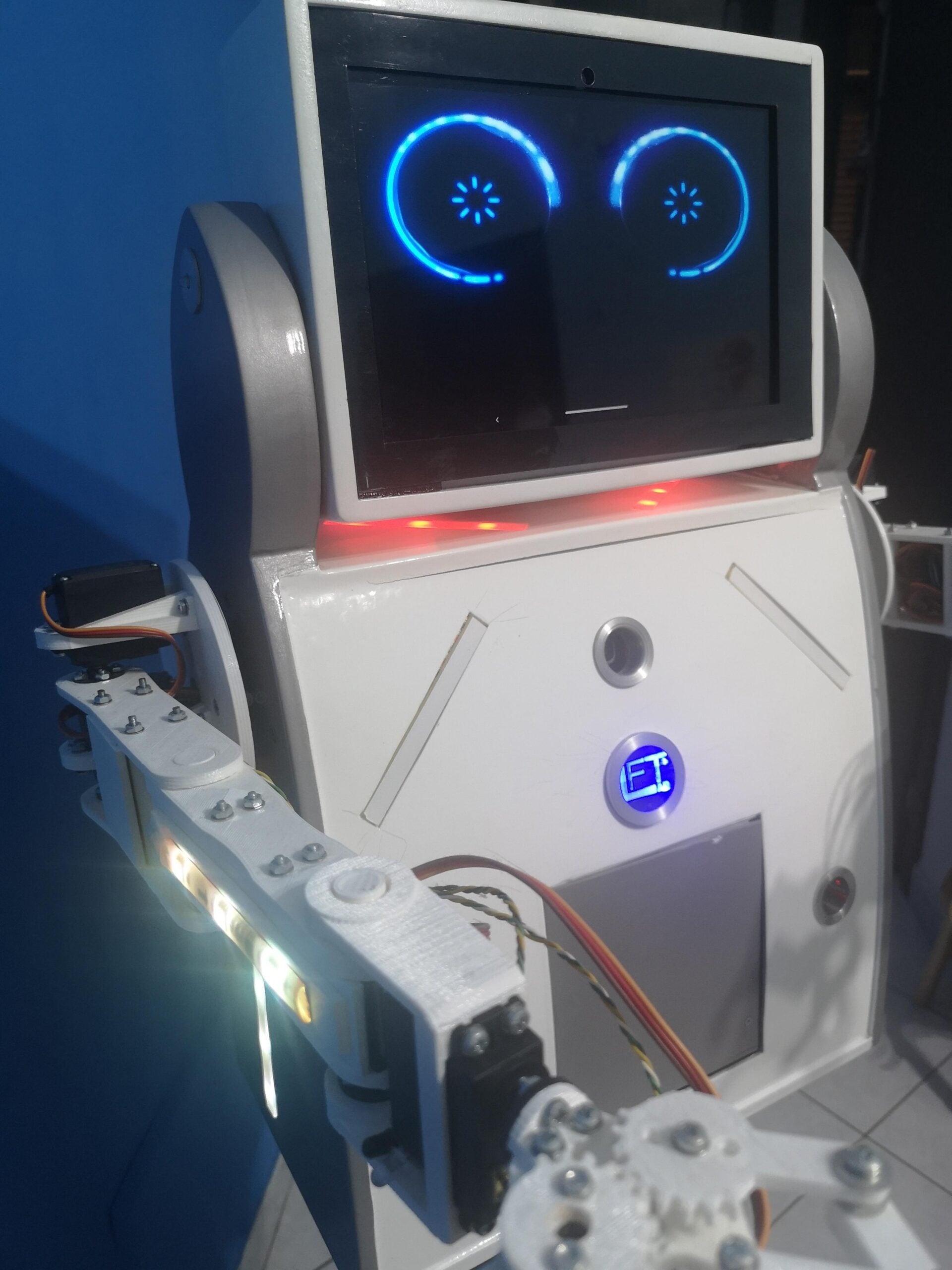
credits Fabio Torrisi
Fabio and his Roby: the robot built with passion
Fabio started out with small electronics projects and now builds robots that talk, see and move. The latest is called Roby: a robot made with 3D printing, cameras, sensors and… lots of cardboard. Created to test all his skills (from programming to mechanical engineering), Roby is the perfect expression of a journey of personal and technical growth. ‘It’s my way of combining all my passions in a single object,’ he says. Created at home, with open source tools and a great desire to learn, Roby is much more than a robot: he is the symbol of a dream that is taking shape one step at a time.
Three girls and an AI to beat breast cancer
Early diagnosis starts at school, and with this ambition in mind, the MAV d-IA-gnosis project, conceived by three young students from Novara, has a clear goal: to use artificial intelligence for the early detection of breast cancer. ‘We have been working on environmental sustainability, but this issue touches us deeply,’ they say. The project stems from the observation that millions of women face this disease every year and that early diagnosis can make all the difference. With passion and rigour, the girls studied public datasets and applied convolutional neural networks for the automated analysis of medical images. A project born in the classroom, but with real medical potential and powerful social impact.
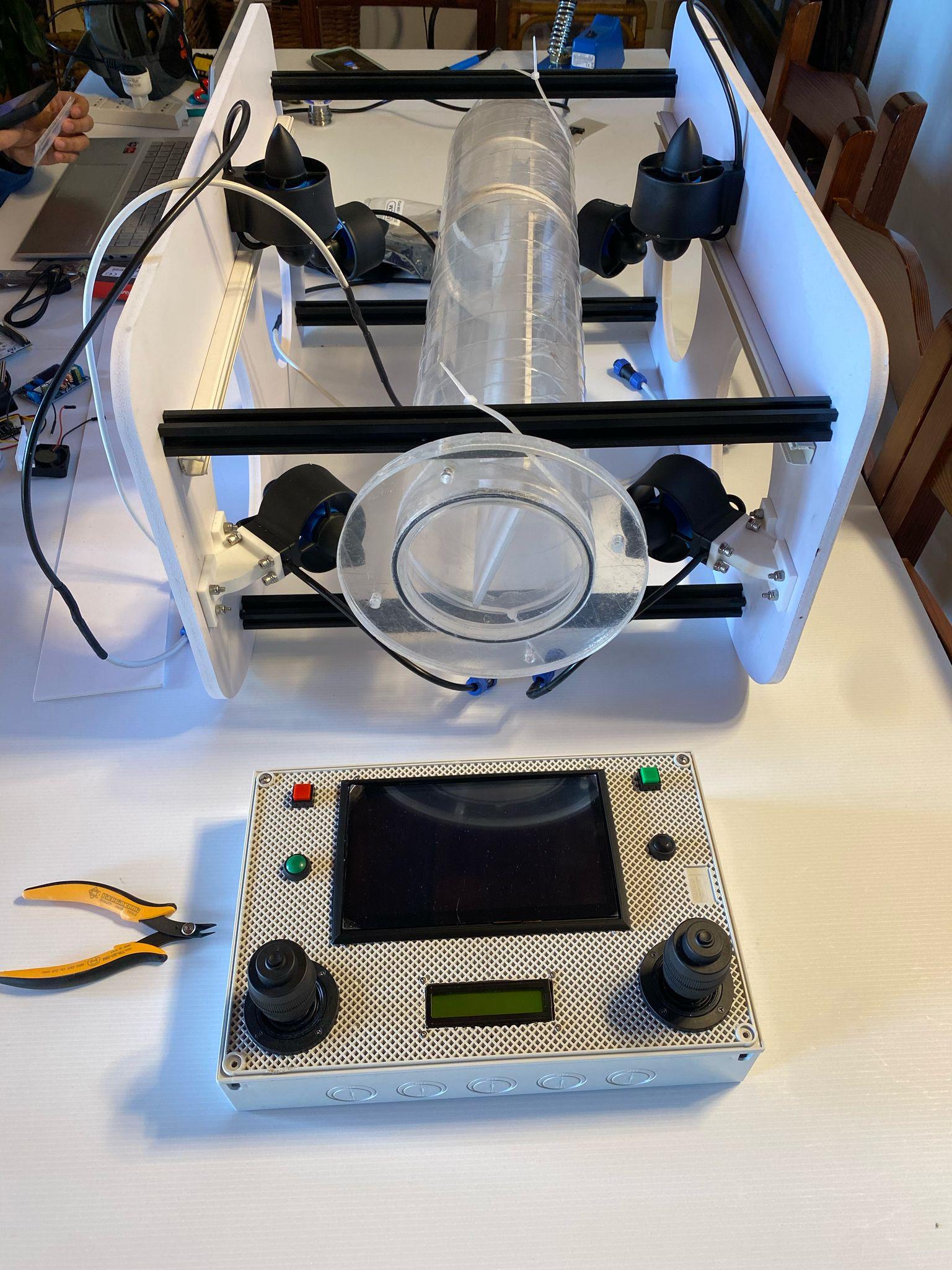
credits marconirovexp.altervista.org
An underwater robot to combat pollution
Respect for the sea guided a group of students from the Marconi Institute in the creation of MRE, a semi-automatic underwater rover capable of monitoring the seabed and protecting Posidonia Oceanica, a marine plant essential to the ecosystem. ‘We are passionate about electronics and computer science,’ they say. No strangers to innovation, they had already developed food waste monitoring systems. With MRE, they have raised the bar, using AI, IoT and computer vision to create a robot capable of operating in fragile and difficult-to-explore marine environments. The prototype is up and running, and the students are already looking ahead: they want to found a start-up and expand the scope of the project, offering sustainable solutions to public bodies and environmental associations.
Agassante, AI for people with visual impairments
A young electronic engineer from Bucharest has decided to revolutionise the way blind or visually impaired people navigate their surroundings. His project, Agassante, is the result of a combination of cutting-edge technology and strong personal motivation: to make independence a reality for those who need it most. The device is wearable and uses artificial vision and three-dimensional spatial audio to transform the surrounding environment into a sound map. Sound becomes a guide, while voice commands describe the scene. Currently being tested with real users, Agassante promises radical autonomy and a new dignity in everyday movements. Its creator, already awarded at Maker Faire Rome, has a background in embedded systems and accessibility, and is looking for partners for a global launch.
Follow us, subscribe to our newsletter: we promise to let just the right content for you to reach your inbox